Press reviews
By Ana Espino | Published on July 01, 2026 | 4 min read
Nicotinamide, a form of vitamin B3, has attracted growing interest in recent years as a potential strategy for preventing non-melanoma skin cancers. Inexpensive, well tolerated, and readily available, it is already recommended by some dermatologists for patients at high risk of developing new skin cancers. However, despite enco...
Nicotinamide, a form of vitamin B3, has attracted growing interest in recent years as a potential strategy for preventing non-melanoma skin cancers. Inexpensive, well tolerated, and readily available, it is already recommended by some dermatologists for patients at high risk of developing new skin cancers. However, despite enco...
Read more

2026-06-29
Exercising in Extreme Heat: How Can Performance Be Preserved While Reducing Health Risks?
Physical Medicine and Rehabilitation
By Ana Espino | Published on June 29, 2026 | 4 min read
With climate change and the increasing frequency of heatwaves, engaging in physical activity in hot environments has become a growing concern for both athletes and professionals exposed to strenuous physical work. Although the decline in performance during exercise in the heat is well recognized, the physiological mechanisms in...
With climate change and the increasing frequency of heatwaves, engaging in physical activity in hot environments has become a growing concern for both athletes and professionals exposed to strenuous physical work. Although the decline in performance during exercise in the heat is well recognized, the physiological mechanisms in...
Read more

By Ana Espino | Published on June 26, 2026 | 4 min read
Long overshadowed by other arboviral diseases such as dengue, chikungunya, and Zika, Oropouche virus (OROV) is now attracting increasing attention from public health authorities. Responsible for recurrent outbreaks across Latin America, particularly in Brazil, this virus is primarily transmitted by biting midges of the Culicoides g...
Long overshadowed by other arboviral diseases such as dengue, chikungunya, and Zika, Oropouche virus (OROV) is now attracting increasing attention from public health authorities. Responsible for recurrent outbreaks across Latin America, particularly in Brazil, this virus is primarily transmitted by biting midges of the Culicoides g...
Read more

By Ana Espino | Published on June 25, 2026 | 4 min read
West Nile virus (WNV) is an arbovirus transmitted primarily by mosquitoes of the Culex genus. First identified in Uganda in 1937, it is now present across multiple continents and has become one of the leading causes of mosquito-borne viral encephalitis. Once considered a sporadic infection, WNV has evolved over recent decades into...
West Nile virus (WNV) is an arbovirus transmitted primarily by mosquitoes of the Culex genus. First identified in Uganda in 1937, it is now present across multiple continents and has become one of the leading causes of mosquito-borne viral encephalitis. Once considered a sporadic infection, WNV has evolved over recent decades into...
Read more
2026-06-24
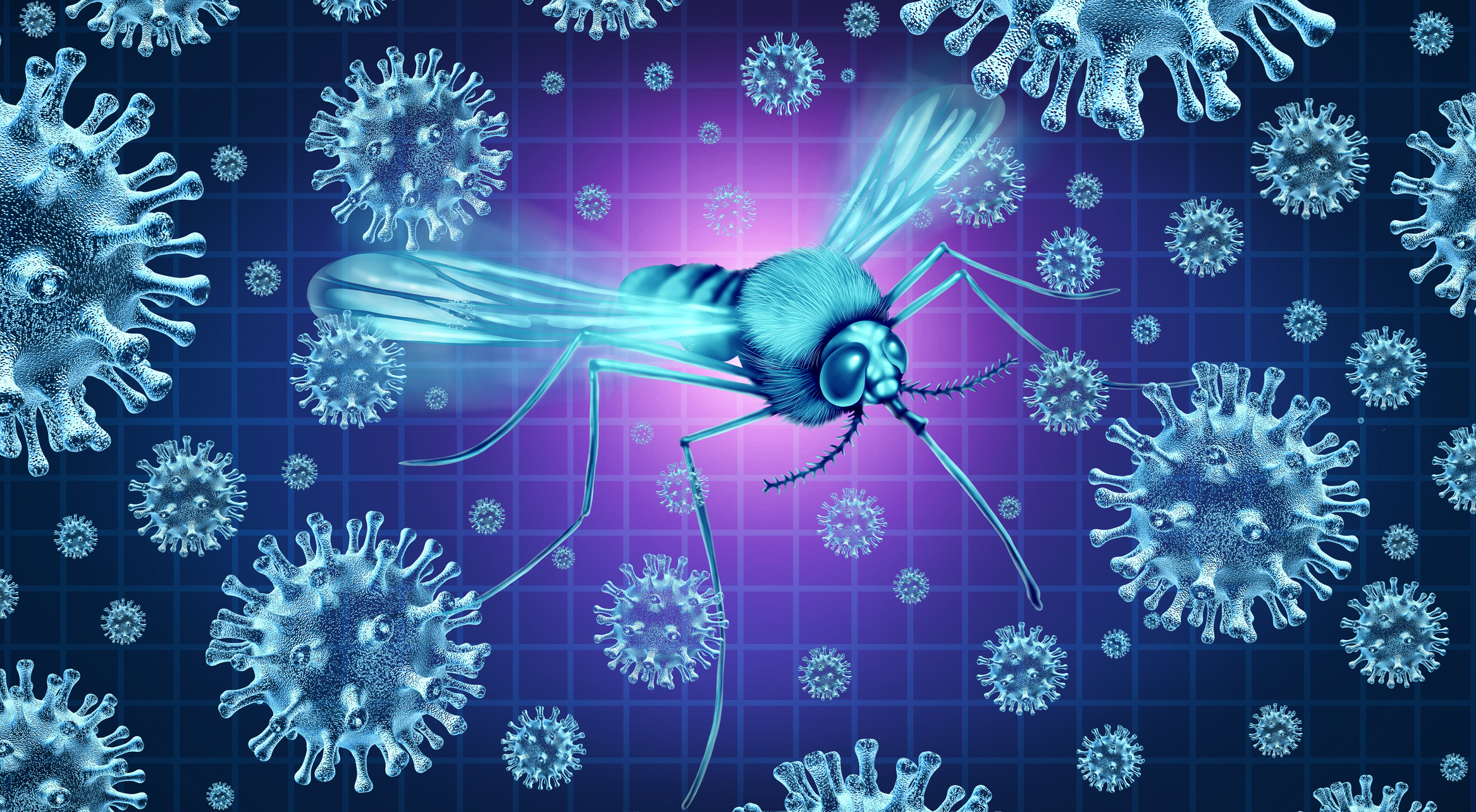
Chikungunya: Understanding the Mechanisms of a Virus Undergoing Global Expansion
Infectiology
By Ana Espino | Published on June 24, 2026 | 4 min read
Chikungunya is a viral disease transmitted primarily by Aedes aegypti and Aedes albopictus mosquitoes. Once confined to certain tropical regions of Africa and Asia, the virus is now undergoing rapid geographic expansion, driven by climate change, urbanization, and the intensification of international travel and trade. Responsible f...
Chikungunya is a viral disease transmitted primarily by Aedes aegypti and Aedes albopictus mosquitoes. Once confined to certain tropical regions of Africa and Asia, the virus is now undergoing rapid geographic expansion, driven by climate change, urbanization, and the intensification of international travel and trade. Responsible f...
Read more
By Ana Espino | Published on June 23, 2026 | 4 min read
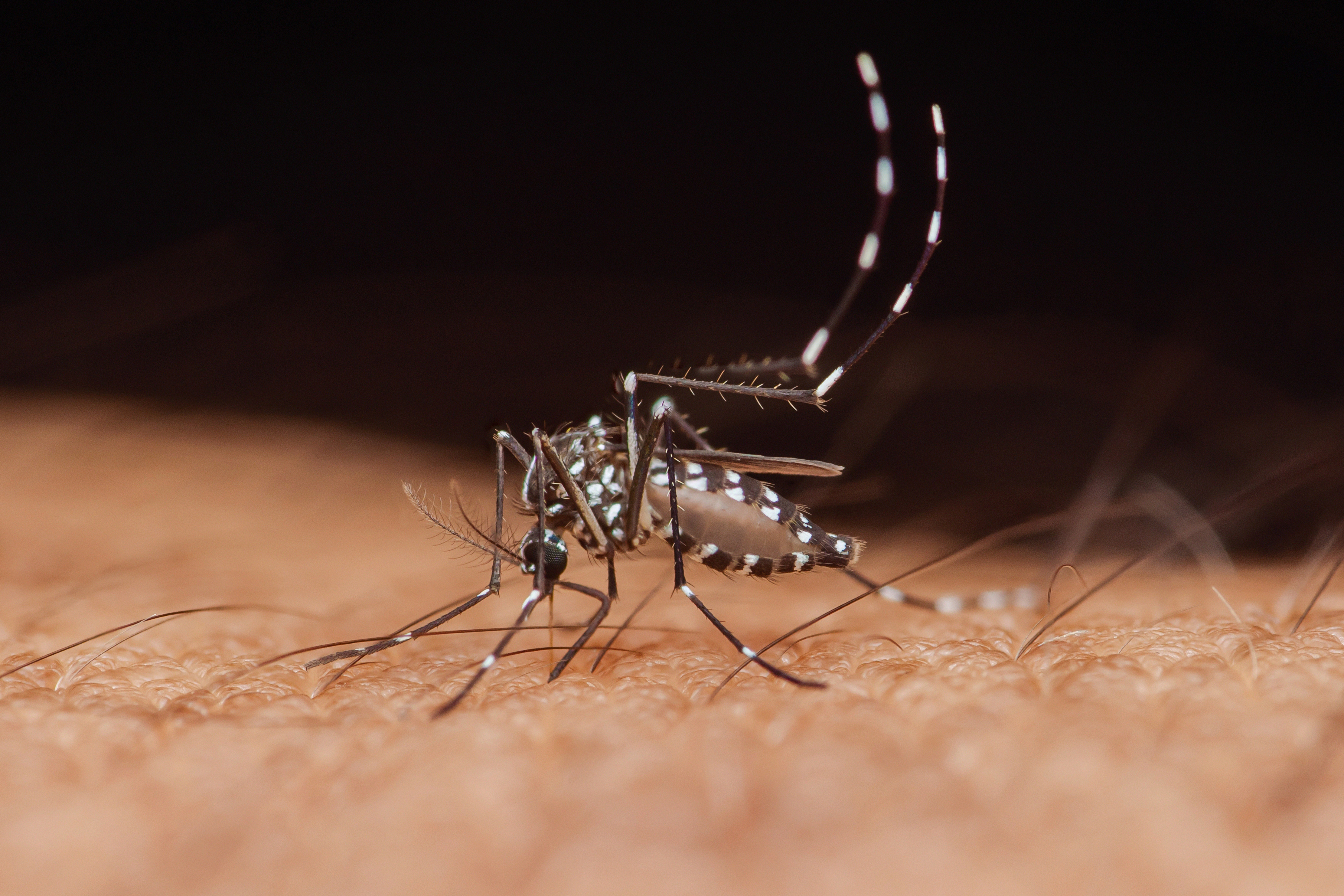
Long considered a tropical disease confined to certain regions of Africa and Asia, chikungunya has undergone a concerning expansion in recent years. Primarily transmitted by Aedes aegypti and Aedes albopictus mosquitoes, the virus causes an acute febrile illness often accompanied by severe joint pain that can persist for months or...
Long considered a tropical disease confined to certain regions of Africa and Asia, chikungunya has undergone a concerning expansion in recent years. Primarily transmitted by Aedes aegypti and Aedes albopictus mosquitoes, the virus causes an acute febrile illness often accompanied by severe joint pain that can persist for months or...
Read more
By Ana Espino | Published on June 22, 2026 | 4 min read
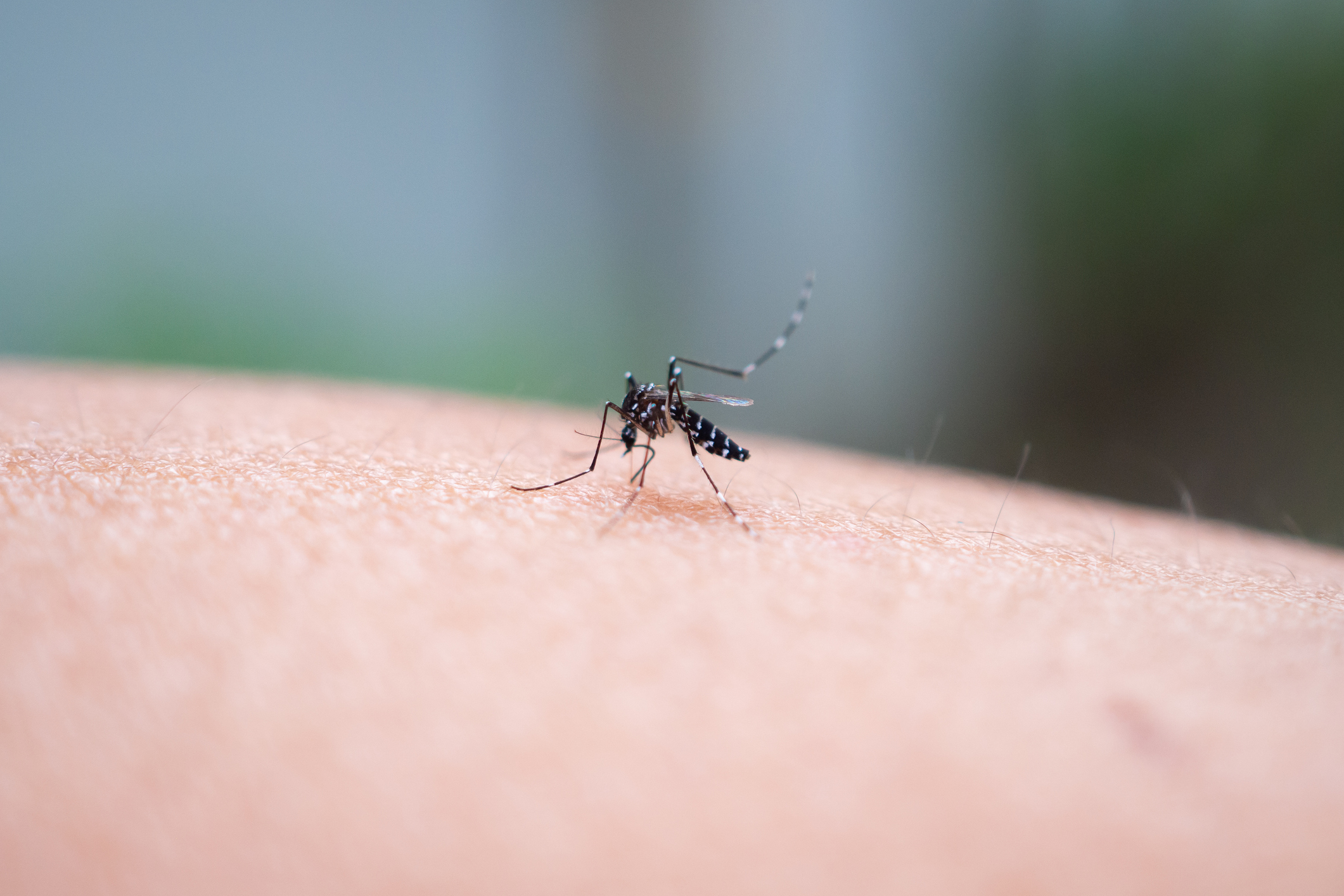
Skin cancer is now the most common cancer worldwide. Each year, millions of new cases of non-melanoma skin cancers and melanoma are diagnosed, largely as a result of cumulative sun exposure. For decades, prevention strategies have relied primarily on the use of sunscreen, protective clothing, and limiting exposure to ultraviolet (U...
Skin cancer is now the most common cancer worldwide. Each year, millions of new cases of non-melanoma skin cancers and melanoma are diagnosed, largely as a result of cumulative sun exposure. For decades, prevention strategies have relied primarily on the use of sunscreen, protective clothing, and limiting exposure to ultraviolet (U...
Read more

By Ana Espino | Published on June 19, 2026 | 4 min read
Charcot-Marie-Tooth disease (CMT) is the most common inherited peripheral neuropathy. It is characterized by progressive damage to motor and sensory nerves, leading to muscle weakness, sensory impairment, and walking difficulties. Although more than 130 genes have been identified as contributors to this disorder, the mechanisms exp...
Charcot-Marie-Tooth disease (CMT) is the most common inherited peripheral neuropathy. It is characterized by progressive damage to motor and sensory nerves, leading to muscle weakness, sensory impairment, and walking difficulties. Although more than 130 genes have been identified as contributors to this disorder, the mechanisms exp...
Read more

By Ana Espino | Published on June 18, 2026 | 4 min read
Football is the most widely played sport among children and adolescents worldwide. While it promotes physical fitness and social development, it also exposes young players to a significant risk of injury, particularly involving the lower limbs. Ankle sprains, knee injuries, muscle strains, and contact-related trauma are common caus...
Football is the most widely played sport among children and adolescents worldwide. While it promotes physical fitness and social development, it also exposes young players to a significant risk of injury, particularly involving the lower limbs. Ankle sprains, knee injuries, muscle strains, and contact-related trauma are common caus...
Read more

2026-06-17
Emerging Zoonotic Viruses: Is Climate Change Setting the Stage for Future Epidemics?
Infectiology
By Ana Espino | Published on June 17, 2026 | 4 min read
Dengue, Zika, chikungunya, Nipah virus, Ebola, and hantaviruses: vector-borne and animal reservoir-derived RNA viruses represent a growing threat to global health. Over recent decades, several of these infectious agents have undergone rapid geographic expansion, triggering outbreaks that are often difficult to predict. Increased in...
Dengue, Zika, chikungunya, Nipah virus, Ebola, and hantaviruses: vector-borne and animal reservoir-derived RNA viruses represent a growing threat to global health. Over recent decades, several of these infectious agents have undergone rapid geographic expansion, triggering outbreaks that are often difficult to predict. Increased in...
Read more

By Ana Espino | Published on June 16, 2026 | 4 min read
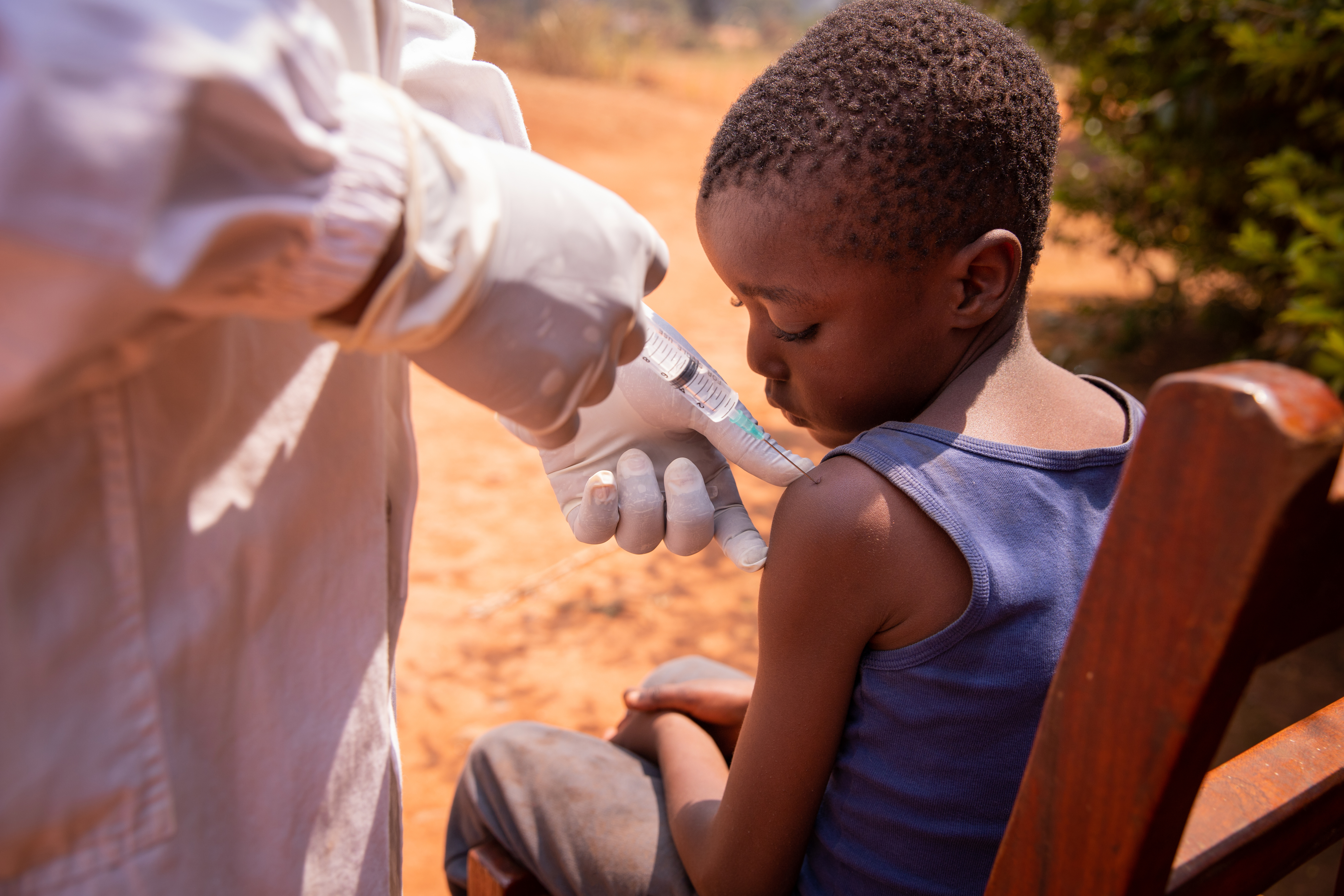
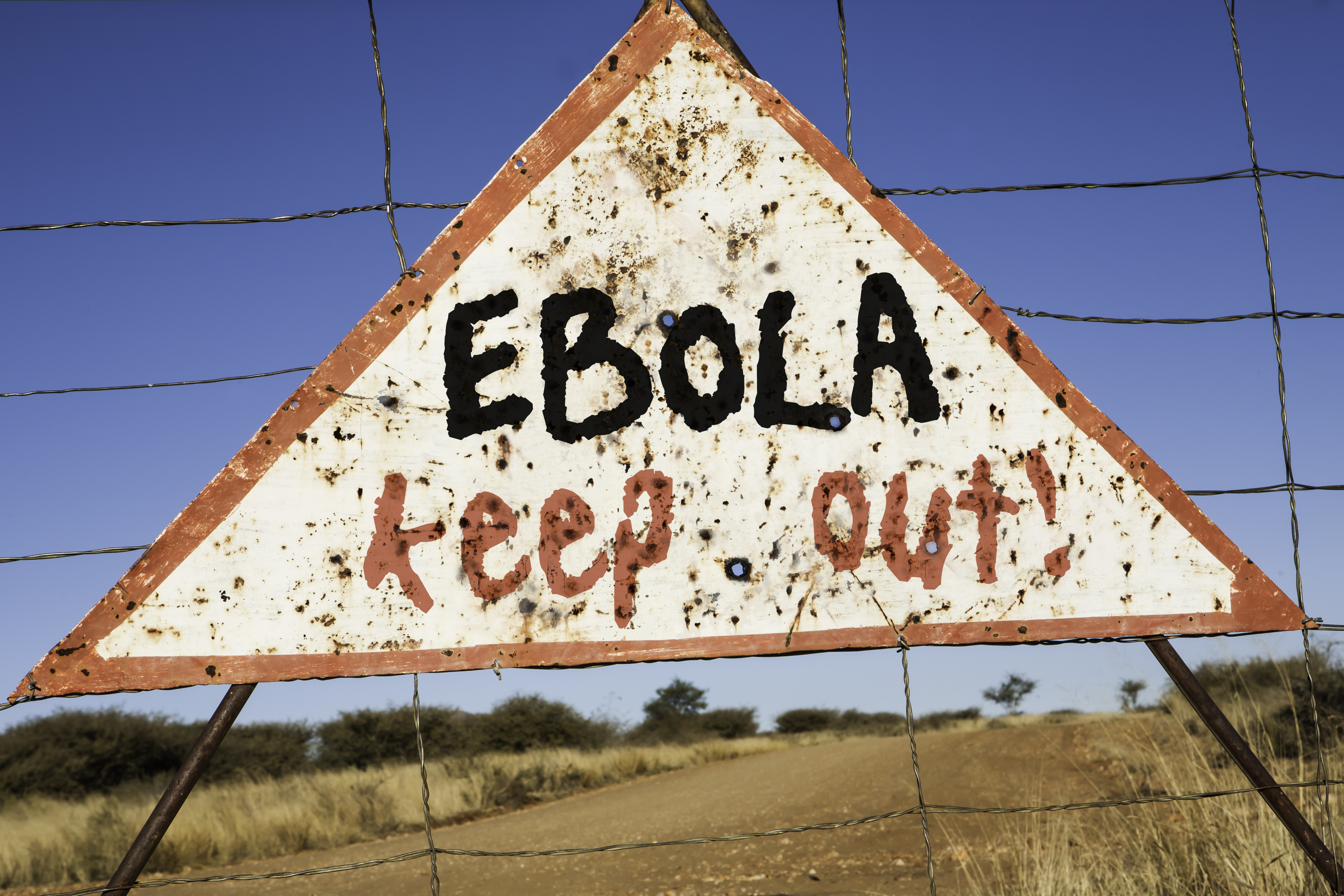
Ebola virus disease remains one of the deadliest infectious diseases known, with mortality rates reaching up to 90% during certain outbreaks. Children are among the most vulnerable populations: mortality can exceed 80% in children under five years of age, while their management remains particularly challenging in emergency settings...
Ebola virus disease remains one of the deadliest infectious diseases known, with mortality rates reaching up to 90% during certain outbreaks. Children are among the most vulnerable populations: mortality can exceed 80% in children under five years of age, while their management remains particularly challenging in emergency settings...
Read more
By Ana Espino | Published on June 15, 2026 | 4 min read
Since its discovery in 1976, the Ebola virus has remained one of the most feared infectious agents in the world. Responsible for Ebola virus disease (EVD), it causes a severe hemorrhagic fever that can progress to multiple organ failure and death. Despite recent advances in the development of vaccines and treatments, many questions...
Since its discovery in 1976, the Ebola virus has remained one of the most feared infectious agents in the world. Responsible for Ebola virus disease (EVD), it causes a severe hemorrhagic fever that can progress to multiple organ failure and death. Despite recent advances in the development of vaccines and treatments, many questions...
Read more
By Ana Espino | Published on June 12, 2026 | 4 min read
Social media now occupies a central place in the lives of adolescents. While these platforms encourage communication and self-expression, they also expose young people to a constant stream of images promoting often unrealistic beauty standards. During a stage of life when identity and self-esteem are still developing, this continuo...
Social media now occupies a central place in the lives of adolescents. While these platforms encourage communication and self-expression, they also expose young people to a constant stream of images promoting often unrealistic beauty standards. During a stage of life when identity and self-esteem are still developing, this continuo...
Read more

By Ana Espino | Published on June 11, 2026 | 4 min read
Present in the environment as a result of industrial activities, certain agricultural fertilizers, and tobacco smoke, cadmium is a heavy metal of significant concern for human health. A recent review published in iScience examines the mechanisms through which this contaminant disrupts hepatic lipid metabolism and may contribute to...
Present in the environment as a result of industrial activities, certain agricultural fertilizers, and tobacco smoke, cadmium is a heavy metal of significant concern for human health. A recent review published in iScience examines the mechanisms through which this contaminant disrupts hepatic lipid metabolism and may contribute to...
Read more

By Ana Espino | Published on June 09, 2026 | 4 min read
More frequent heatwaves, record-breaking temperatures, prolonged periods of extreme heat… Climate change is gradually turning extreme heat into a major public health challenge. While heatstroke is one of the most visible consequences of these events, the health effects of high temperatures extend far beyond acute heat-related illne...
More frequent heatwaves, record-breaking temperatures, prolonged periods of extreme heat… Climate change is gradually turning extreme heat into a major public health challenge. While heatstroke is one of the most visible consequences of these events, the health effects of high temperatures extend far beyond acute heat-related illne...
Read more